Sustainability
Less energy for the same comfort, cleaner power, and fewer machines on the roof.
Sustainability that you can measure
Central plants use less energy than many separate units and remove outdoor equipment from the street level. Using solar and green hydrogen cuts fossil power further. Thermal storage lets the plant run when sunlight is strongest. Water carries the cooling through the network, so refrigerant stays in the central plant under one operator instead of in many separate units.
What we commit to publish
Energy use per ton of cooling, refrigerant charge compared with split units, and the share of power from renewables, for every project. Typical savings are expected in the range of 30% to 50%*.
*Indicative only. Each project gets its own estimate in the feasibility study.
Where the power comes from
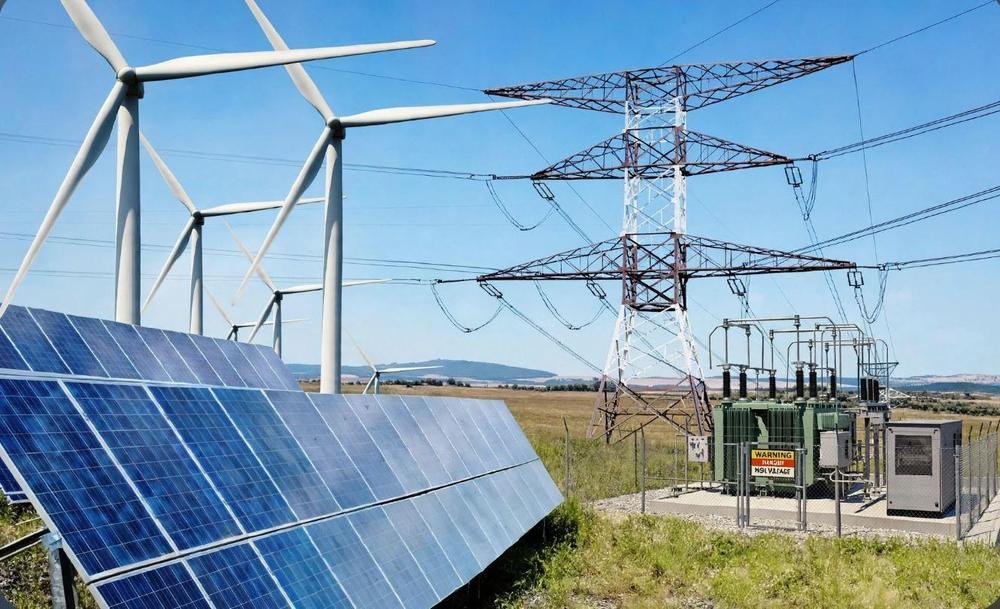
Dense city centres rarely have room for enough solar. Clean power can be generated outside the city and wheeled through the local distribution grid for a wheeling charge. Stored energy and the hydrogen fuel cell cover nights and cloudy spells. Surplus power can also be banked with the grid for non-solar hours, for a fee.
What we measure
- Energy used per ton of cooling
- Share of power from renewables
- Refrigerant charge compared with split units
- Peak load on the grid
For ESG and green-building teams
Plant data on energy per ton of cooling, refrigerant charge and renewable share can feed your ESG reports and green-building documentation.
Planning a development, campus or hospital?
Share the city, building mix and load. We will come back with a first feasibility view for your project team.
Get a feasibility study